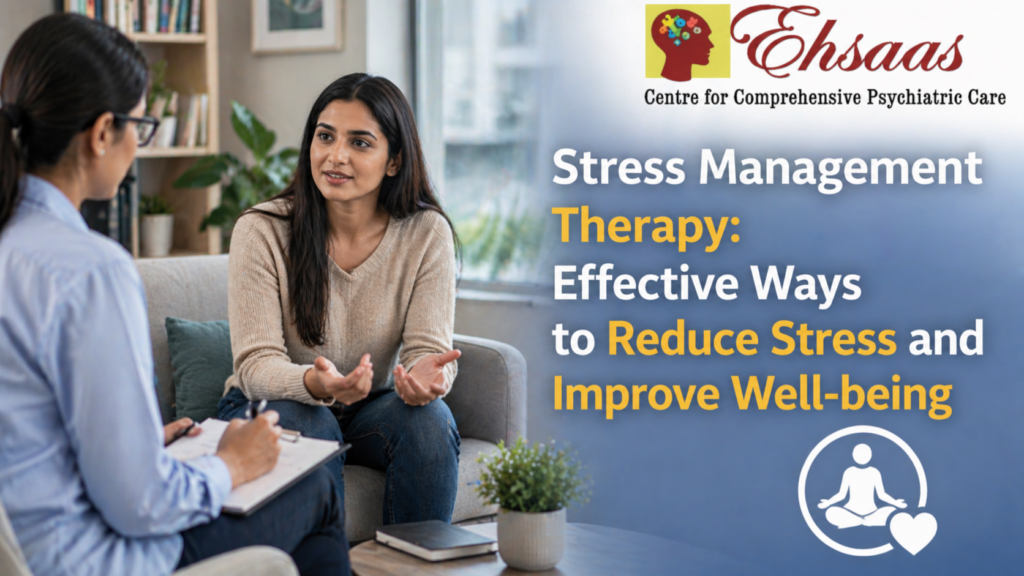
Stress is a regular aspect of modern life, impacting physical and mental health. From hectic work schedules to personal obligations, chronic stress can result in serious health issues if untreated. This is why treatment for stress plays an important role. It is a systematic approach developed to assist individuals in identifying the triggers of stress, build strategies for coping, and increase overall wellbeing. At well-known centers such as EHSAAS the Centre for Comprehensive Psychological Care specialists like Dr. Manish Sarkar are focused on holistic solutions to mental health that provide an effective treatment for stress relief that is tailored to the individual’s demands.
What Is Stress Management Therapy and How It Works
The practice of stress management is a mix of techniques for coping with stress and lifestyle strategies aimed at lowering stress levels and enhancing the resilience of your emotions. It’s not a universal solution. Instead, it is tailored to the individual’s specific stress triggers or personality traits, as well as their mental health.
The treatment works by addressing both the causes that stress occurs as well as the body’s reaction to it. If a person is under stress it triggers the “fight or fight” response, which releases hormones like adrenaline and cortisol. A continuous activation of this mechanism can adversely affect sleep, immunity or mental clarity. The therapy for stress management helps control these reactions through methods that include the cognitive restructuring process, relaxation exercises and behavioral modifications.
Experts such as Dr. Manish Sarkar from EHSAAS The EHSAAS Centre for Comprehensive Psychiatric Care insist on identifying the thought patterns which contribute to stress and replace these with more positive thoughts. In time, this will help people deal with stress more effectively and efficiently.
Signs You Need Stress Management Therapy
A lot of people don’t realize the effects that stress can have until it becomes a problem to impact their daily lives. The recognition of early indicators can assist you in seeking timely intervention via therapy to relieve stress.
Common signs are:
- Continuous worry or persistent anxiety
- Trouble concentrating or making decisions
- Muscle tension, frequent headaches or fatigue
- Insomnia, for example, is a sleep disorder.
- The mood swings, Irritability or emotional outbursts
- Inattention to activities that were once was enjoyed
- A greater dependence on smoking, alcohol or other coping strategies
If the symptoms last for a long time or start to affect relationships, work or your physical health, it might be time to think about pursuing the services of a professional treatment for stress management. Clinics such as EHSAAS The Centre for Comprehensive Psychiatric Care have structured assessments that can identify the extent of stress and suggest appropriate treatment plans under the supervision of Dr. Manish Sarkar.
Related read: Manage Stress and Anxiety Effectively
Types of Stress Management Therapy for Better Mental Health
There are many evidence-based methods that are used in the field of stress management therapy. The type of therapy chosen depends on the person’s health and the specific stressors.
1. Cognitive Behavioral Therapy (CBT)
CBT is among the most effective methods of therapy to relieve stress. It is focused on identifying the negative patterns of thought and replacing them with positive, constructive thoughts. This technique helps individuals alter their perception of and reactions to stress.
2. Mindfulness-Based Stress Reduction (MBSR)
Mindfulness methods require you to be fully present and in the moment, without judgement. Techniques such as meditation and breathing exercises aid in calming the mind and decrease emotional reactivity.
3. Relaxation Therapy
This can include the gradual relaxation of muscles guided imagery, progressive muscle relaxation, and breathing exercises. These methods reduce tension in the body and help to promote a sense of peace.
4. Behavioral Therapy
Behavioral approaches are focused on changing bad habits and creating positive routines like regular exercise, adequate sleep along with time management.
5. Pharmacological Support
In certain situations, medication could be prescribed in conjunction with treatment to treat extreme anxiety or stress-related disorders. It is carried out under supervision by a professional like that offered by Dr. Manish Sarkar.
6. Advanced Therapies, such as rTMS
Repetitive Transcranial Magnetic Stimulation (rTMS) is a non-invasive treatment for certain stress-related disorders, especially when they are associated with depression.
Each of these treatments adds up to a comprehensive stress treatment plan that provides immediate relief and long-term psychological stability.
Related read: TMS therapy for stress and depression
Benefits of Stress Management Therapy for Mind and Body
Participating in structured therapy for stress management provides numerous benefits which go beyond feeling calm. It can positively impact both physical and mental well-being.
Mental Health Benefits
- Improved emotional stability
- More focus, memory and decision-making abilities
- Self-awareness and emotional intelligence are enhanced.
- Improved coping skills for handling future stress
Physical Health Benefits
- Improved blood pressure and lower blood pressure. heart health
- Better sleep quality
- The reduction in muscle tension and headaches is a result of a decrease in stress.
- Immune system strengthened
Lifestyle Improvements
- Improved productivity and performance at work
- Healthy relationships and better the ability to communicate
- A better quality of life overall
The EHSAAS, the Centre for Comprehensive Psychiatric Care, patients who receive treatment for stress relief typically experience notable improvement in their everyday functioning and their emotional well-being. With the help of Dr. Manish Sarkar, patients are able to control their actions and thoughts.
Related read: Therapy for Stress-Related Depression
Tips to Enhance Results from Stress Management Therapy
Professional therapy is a good base, certain lifestyle modifications can enhance the effects of treatment for stress.
1. Maintain a Consistent Routine
A structured schedule for your day helps to reduce anxiety and uncertainty.
2. Practice Mindfulness Daily
A few minutes of meditation as well as deep breathing could greatly lower stress levels.
3. Stay Physically Active
Exercise regularly releases endorphins which naturally boost mood and ease stress.
4. Prioritize Sleep
A good night’s sleep is vital to regulate your emotions and maintain mental clarity.
5. Limit Screen Time and Social Media
The excessive exposure to digital media can create stress and anxiety.
6. Build a Support System
Chatting with your family and friends or support groups may offer emotional relief.
7. Follow Professional Guidance
Regular attendance at sessions and adhering to the advice of your therapist is essential. Clinics such as EHSAAS and the Centre for Comprehensive Psychiatric Care offer continuous monitoring and customized treatment plans from experts like Dr. Manish Sarkar.
Conclusion
Stress is a natural aspect of our lives, but when it becomes too much and consuming, it can impact all aspects of health. Therapy for managing stress offers a systematic and efficient method to control stress, boost resilience and improve overall wellbeing. Through cognitive techniques such as mindfulness, meditation or more advanced therapies that are based on the correct approach, it can have a major impact.
Looking for urgent treatments to relieve stress with experts can avoid chronic problems and allow you to live a healthy and balanced life. Through expert guidance from experts such as Dr. Manish Sarkar from EHSAAS The Centre for Comprehensive Psychiatric Care patients are able to develop better strategies for coping and attain lasting mental health.
Related read: Marital problems counselling