Eating Disorders Treatment in New Delhi India
The eating disorders anorexia nervosa, bulimia nervosa and binge-eating disorder and their variants all feature serious disturbances in eating behavior and weight regulation. They are associated with a wide range of adverse psychological, physical and social consequences. A person with an eating disorder may start out just eating smaller or larger amounts of food, but at some point, their urge to eat less or more spirals out of control. Severe distress or concern about body weight or shape or extreme efforts to manage weight or food intake, also may characterize an eating disorder.
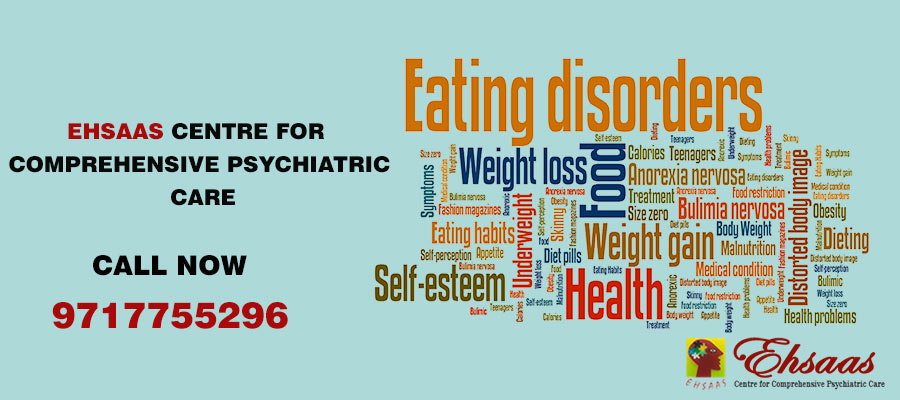
Eating disorders are real, treatable medical illnesses. They frequently coexist with other illnesses such as depression, substance abuse or anxiety disorders. Other symptoms can become life-threatening if a person does not receive treatment, which is reflected by anorexia being associated with the highest mortality rate of any psychiatric disorder.
Eating disorders affect both genders, although rates among women and girls are 2½ times greater than among men and boys. Eating Disorders treatment in new delhi frequently appear during the teen years or young adulthood but also may develop during childhood or later in life.
Eating disorders are very complex diseases that can have severe physical and emotional consequences if left untreated. For this reason, it is imperative that men or women dealing with eating disorders seek professional help, especially with more clinically severe eating disorders. Utilizing a professional treatment team who specialize in eating disorders can be one of the most powerful and influential resources for enhancing recovery. Though the journey of recovery is often long and arduous and includes many highs and lows, the rewards reaped are invaluable and life-saving.
FAQ's
1. What is an eating disorder?
Eating disorders are mental health conditions involving unhealthy eating behaviors, body image concerns, and emotional distress related to food.
2. What are the common types of eating disorders?
Common disorders include anorexia nervosa, bulimia nervosa, binge eating disorder, and other specified feeding or eating disorders.
3. What are the warning signs of eating disorders?
Warning signs include extreme dieting, significant weight changes, excessive concern about body image, binge eating, and purging behaviors.
4. Can eating disorders affect physical health?
Yes. They can lead to nutritional deficiencies, heart problems, hormonal imbalances, digestive issues, and other serious complications.
5. How are eating disorders diagnosed?
Diagnosis involves psychiatric assessment, medical evaluation, behavioral history, and symptom review.
6. What treatments are available?
Treatment may include psychotherapy, nutritional counseling, family therapy, medication management, and psychiatric support.
7. Can adults develop eating disorders?
Yes. Eating disorders can affect children, adolescents, and adults.
8. Is hospitalization ever required?
Severe cases involving medical instability may require inpatient treatment.
9. How long does recovery take?
Recovery varies depending on severity, treatment adherence, and individual circumstances.
10. When should professional help be sought?
Immediate evaluation is recommended if eating behaviors are affecting physical health, emotional wellbeing, or daily functioning.